
Blog
How to Contour Your Face Like a Pro: Beginner to Advanced Techniques
Contouring has become one of the most powerful makeup techniques in modern beauty routines. When done correctly, it can enhance facial features, create natural shadows, and sculpt your face in a way that looks polished and professional.
Many beginners in Dubai are curious about how to contour your face, especially with the growing popularity of high-definition makeup for events, weddings, and social media content. From everyday office looks in Downtown Dubai to glamorous evening styles in Marina or Jumeirah, contouring helps define your features and elevate your makeup game.

The good news is that contouring is not just for professional makeup artists anymore. With the right products, techniques, and understanding of your face shape, anyone can learn how to contour their face like a pro.
In this guide, we will walk you through beginner to advanced contouring techniques, helping you achieve a perfectly sculpted look that suits your face and skin tone.
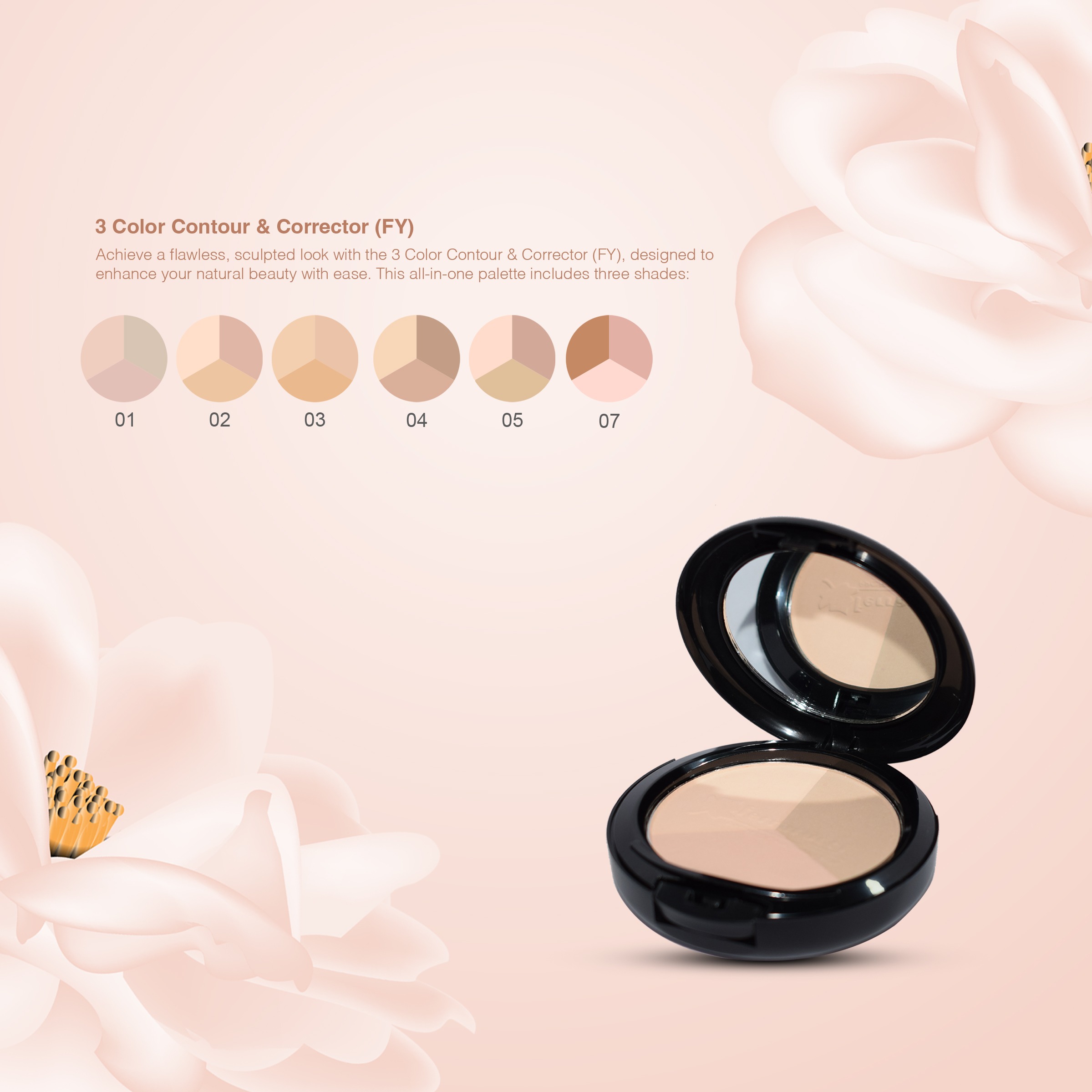

What Is Face Contouring and Why Is It Important?
Before learning how to contour your face, it’s important to understand what contouring actually does.
Contouring is a makeup technique that uses darker shades to create shadows and lighter shades to highlight areas of the face. This illusion enhances natural bone structure and creates a more defined facial appearance.
The main purpose of contouring is to:
Define cheekbones
Slim the nose
Shape the jawline
Add depth to the forehead
Balance facial proportions
In cities like Dubai, where makeup trends are influenced by fashion, luxury events, and social media aesthetics, contouring has become a staple in both everyday beauty routines and professional makeup looks.
When applied correctly, contouring should look natural, blended, and seamless rather than heavy or obvious.
Essential Products You Need for Face Contouring
To master how to contour your face, you first need the right tools and products. Using proper products makes the technique much easier and helps achieve a professional finish.
| Product | Purpose | Recommended Texture |
|---|---|---|
| Contour Cream or Powder | Creates shadows and definition | Cream for dewy skin, powder for oily skin |
| Highlighter | Enhances high points of the face | Liquid or powder |
| Blending Brush | Blends contour seamlessly | Dense angled brush |
| Beauty Sponge | Softens harsh lines | Damp sponge |
| Bronzer | Adds warmth to the face | Matte bronzer |
Choosing shades that match your skin tone is extremely important, especially in diverse regions like Dubai where skin tones range from fair to deep olive and warm complexions.
Ideally, contour shades should be two shades darker than your natural skin tone.
Step-by-Step Guide: How to Contour Your Face
If you are new to contouring, following a structured process can make learning how to contour your face much easier.
Prepare Your Base Makeup
Start with a clean, moisturized face. Apply foundation and concealer first so that your skin tone looks even.
A smooth base ensures the contour blends naturally and does not appear patchy.
Identify Your Face Shape
Understanding your face shape helps you place contour in the right areas.
Common face shapes include:
Oval
Round
Square
Heart-shaped
Diamond
Each face shape requires slightly different contour placement to balance proportions.
Apply Contour to Key Areas
The main contour zones include:
Cheekbones – Apply contour slightly below the cheekbone to create definition.
Forehead – Apply near the hairline to reduce width.
Jawline – Define the jaw to create a sharper appearance.
Nose – Apply thin contour lines along the sides to make the nose appear slimmer.
Use a light hand while applying product because it is easier to add more than to remove excess contour.
Blend for a Natural Finish
Blending is the most important step when learning how to contour your face.
Use a brush or damp beauty sponge to blend the contour into the foundation. The goal is to soften the lines so that the shadows look natural.
Harsh lines can make contouring appear unnatural, especially in bright daylight.
Highlight the High Points
Highlighting balances contouring by bringing light to the face.
Apply highlighter to:
Top of cheekbones
Bridge of the nose
Center of the forehead
Cupid’s bow
Brow bone
This contrast between shadow and light creates the sculpted effect.
If you have fuller cheeks or a rounder face shape, contouring techniques may need slight adjustments to create a more sculpted look. In that case, you may find our detailed guide on How to Contour a Chubby Face: Step-by-Step Guide for a Slimmer Look helpful, where we explain specific contour placement methods designed to make the face appear slimmer and more defined.
Contouring Techniques for Different Face Shapes
Every face shape requires a slightly different contour approach.
Round Face
Contour the sides of the forehead and under the cheekbones to create a slimming effect.
Square Face
Focus on softening the jawline and temples to reduce sharp angles.
Oval Face
Use light contour on the cheekbones to enhance natural symmetry.
Heart-Shaped Face
Contour the forehead slightly and balance the chin area for proportion.
Understanding your facial structure is one of the most important aspects of mastering how to contour your face professionally.
Beginner vs Advanced Contouring Techniques
As your skills improve, you can experiment with more advanced contouring methods.
| Skill Level | Technique | Result |
|---|---|---|
| Beginner | Powder contour | Soft and natural look |
| Intermediate | Cream contour | More defined sculpting |
| Advanced | Layered contour + highlight | Professional glam finish |
| Expert | Precision contouring | Editorial or bridal makeup |
Professional makeup artists often combine cream and powder contouring to create long-lasting definition, especially for photoshoots or weddings.
Common Contouring Mistakes to Avoid
Even experienced makeup users sometimes make mistakes while learning how to contour your face.
Some common mistakes include:
Using shades that are too dark, which creates unnatural shadows.
Not blending properly, leaving harsh visible lines.
Applying contour too low on the cheeks, which can drag the face downward.
Overusing highlighter, which can make the skin look oily instead of radiant.
Correct placement and blending are the keys to achieving a polished result.
Pro Tip #1
Always blend contour upwards, not downwards. Upward blending lifts the face and enhances the natural structure of your cheekbones, creating a more sculpted and professional finish.
Pro Tip #2
If you want a long-lasting contour in Dubai’s warm climate, set your cream contour with a light layer of powder contour. This technique locks the makeup in place and helps it stay intact even in humidity and heat.
Conclusion
Learning how to contour your face may seem complicated at first, but with practice and the right techniques, it becomes an easy and enjoyable part of your makeup routine.
By understanding your face shape, using suitable products, and blending carefully, you can achieve a sculpted, professional finish that enhances your natural beauty.
Whether you prefer a subtle everyday look or a glamorous evening style, mastering contouring allows you to highlight your best features with confidence.